Get Basement Drainage Installation
Basement drainage installation services help property owners prevent water damage and flooding by installing effective drainage systems in basement projects with the help of local contractors.
Basement drainage installation is a key step in protecting properties from water intrusion and potential damage. Property owners in the area may consider this work to improve the durability of their foundations, prevent flooding during heavy rains, or prepare for future renovations. Exploring local contractors who specialize in drainage solutions can help ensure that the project is planned effectively and tailored to the specific needs of the property.
By comparing options from nearby service providers, property owners can find the right fit for their drainage installation needs. Whether upgrading existing systems or installing new drainage solutions, working with experienced local contractors offers practical benefits for long-term property maintenance. Keep reading to learn more about how professional basement drainage services can support your property’s stability and protection.
- Basement flooding prevention - homeowners experiencing frequent water intrusion during heavy rain may need professional drainage installation.
- Foundation waterproofing - properties with damp or wet basement walls can benefit from effective drainage systems installed by local contractors.
- Water management upgrades - properties with poor drainage around the foundation may require expert installation to redirect water away from the basement.
- Basement moisture issues - when excess humidity or mold develops in the basement, drainage solutions can help improve indoor air quality.
- New basement construction - builders incorporating drainage systems during new builds can ensure long-term basement dryness and structural integrity.
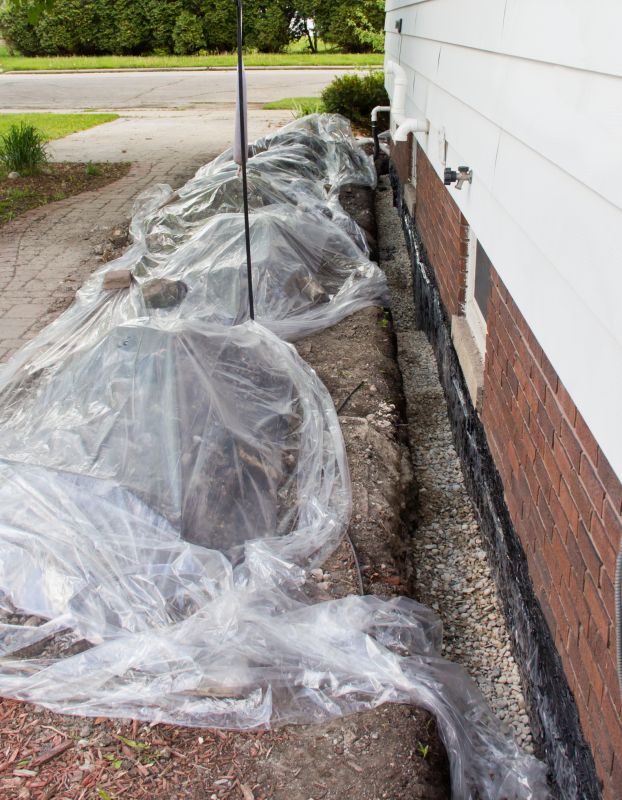
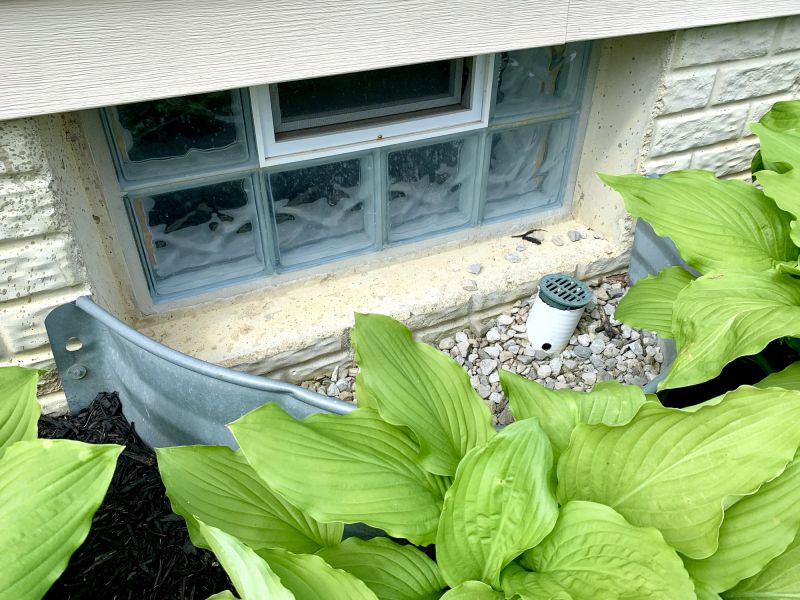
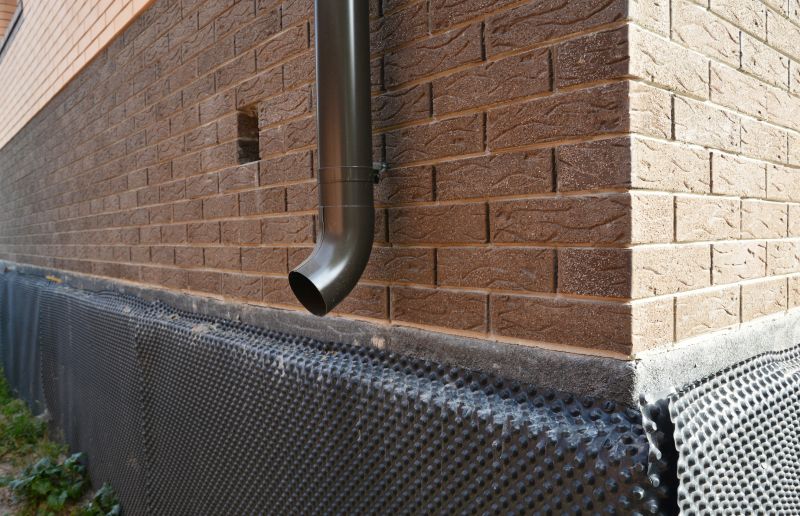
Basement drainage installation involves setting up systems that direct excess water away from the foundation of a property. This service typically includes installing drainage pipes, sump pumps, and other components designed to manage water flow effectively. Proper installation helps prevent water from seeping into the basement, reducing the risk of flooding, mold growth, and structural damage. Local contractors assess the property's landscape and foundation to determine the most suitable drainage solutions, ensuring they are integrated seamlessly into the existing structure.
Many common problems can be addressed with effective basement drainage systems. Homes experiencing frequent basement flooding during heavy rains or snowmelt often benefit from improved drainage solutions. Additionally, property owners dealing with persistent dampness, musty odors, or water stains on basement walls and floors may find that a professionally installed drainage system mitigates these issues. By managing groundwater and surface runoff more efficiently, these systems help maintain a dry, stable basement environment, protecting the property’s overall integrity.
Basement drainage services are frequently utilized in residential properties, especially in areas prone to heavy rainfall or with high water tables. Single-family homes, townhouses, and multi-unit buildings often require these systems to safeguard their basements from water intrusion. Commercial buildings with below-ground levels may also need drainage solutions to protect their foundations and prevent operational disruptions caused by water damage. Property owners who notice signs of water infiltration or want to prevent future issues are encouraged to explore drainage installation options with local service providers.
Choosing the right basement drainage system depends on the specific needs of each property. A professional contractor can evaluate the property’s landscape, soil conditions, and existing drainage setup to recommend the most effective solutions. Whether installing a new system or upgrading an existing one, local service providers have the expertise to ensure the drainage setup works efficiently and reliably. Contacting experienced contractors can help homeowners and property managers protect their investments by creating a dry, secure basement environment.
The overview below groups typical Basement Drainage Installation projects into broad ranges so you can see how smaller, mid-sized, and larger jobs often compare in your area.
In many markets, a large share of routine jobs stays in the lower and middle ranges, while only a smaller percentage of projects moves into the highest bands when the work is more complex or site conditions are harder than average.
Smaller Repairs - typical costs for minor drainage fixes in basements range from $250-$600. Many routine repairs fall within this range, covering tasks like sealing small cracks or installing basic drainage components.
Partial Drainage System Installations - installing or upgrading a section of basement drainage systems usually costs between $1,200-$3,500. Larger projects that involve more extensive work tend to push beyond this range but remain common in this tier.
Full Basement Drainage Replacement - complete overhauls of drainage systems can cost from $4,000 to $8,000 or more. These larger, more complex projects are less frequent but are necessary for significant water issues or older systems.
Custom or High-Performance Systems - specialized drainage solutions, such as advanced sump pump setups or waterproofing systems, often start around $8,000 and can exceed $15,000. These projects are typically tailored to unique property needs and are less common than standard installations.
Actual totals will depend on details like access to the work area, the scope of the project, and the materials selected, so use these as general starting points rather than exact figures.
Foundation Drainage Projects - local contractors often handle foundation drainage systems that require similar planning, excavation, and waterproofing skills as basement drainage installations.
Crawl Space Waterproofing - services involving moisture control and drainage solutions in crawl spaces share techniques and tools with basement drainage work.
Landscape Drainage Solutions - professionals installing yard and garden drainage systems utilize comparable planning, grading, and piping skills used in basement drainage projects.
Sump Pump Installation - installing sump pumps to prevent basement flooding involves similar electrical, piping, and drainage considerations as basement drainage services.
Excavation and Grading - excavation work for site leveling and drainage setup uses similar equipment and planning as basement drainage installation.
Concrete Foundation Repair - repairing or reinforcing foundations often requires drainage assessments and waterproofing techniques related to basement drainage services.
When comparing contractors for basement drainage installation, it’s important to consider their experience with similar projects. Homeowners should look for service providers who have a proven track record of handling basement drainage systems effectively. An experienced contractor will have encountered a variety of site conditions and drainage challenges, which can translate into more reliable and efficient solutions. Asking about past projects or requesting examples of work can help gauge whether a contractor’s background aligns with the specific needs of the home.
Clear written expectations are essential for ensuring that the scope of work, materials, and procedures are well understood by both parties. Homeowners should seek service providers who communicate details in a straightforward manner, providing written estimates or plans that outline what will be done. This clarity helps prevent misunderstandings and sets a foundation for a smooth project. It’s beneficial to discuss any questions upfront and confirm that all aspects of the installation are addressed in the agreement.
Reputable references and good communication are key indicators of a dependable contractor. Homeowners can ask for references from previous clients who had similar basement drainage projects, which can offer insights into the contractor’s professionalism, reliability, and quality of work. Additionally, responsive and transparent communication during initial discussions can reflect how the contractor will handle ongoing updates or questions throughout the project. Since this site introduces homeowners to local options, it’s important to evaluate each service provider’s reputation and communication style to find a good match for the project’s needs.
Property owners use Basement Drainage Installation services for practical projects around their homes and businesses. This guide focuses on everyday jobs and straightforward project options.
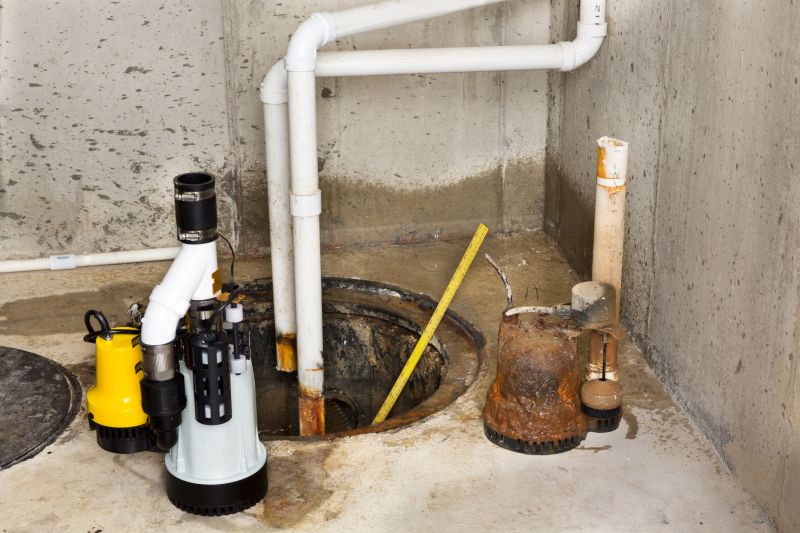
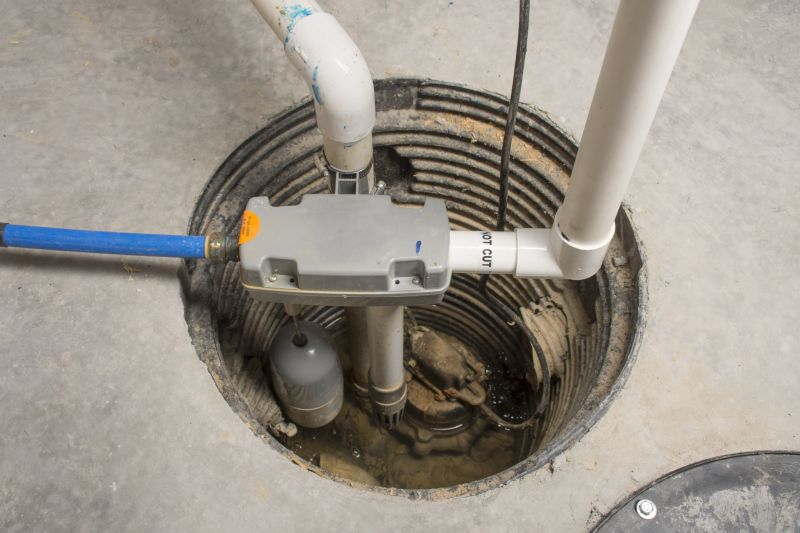
Basement drainage installation is a common project for property owners dealing with persistent water issues or concerns about flooding. Local contractors are often called upon when homeowners notice dampness, mold growth, or standing water in their basements after heavy rains or snowmelt. These service providers can assess the property's specific drainage needs and recommend solutions to help keep basements dry and structurally sound.
Property owners in the area may also seek basement drainage services when preparing a space for finishing or renovation. Proper drainage systems can prevent water damage and reduce the risk of long-term issues that could affect the property's value. Local service providers are equipped to handle a range of drainage installation tasks, ensuring that homeowners can maintain a safe and dry basement environment.
What is basement drainage installation? Basement drainage installation involves setting up systems to divert excess water away from a basement to prevent flooding and water damage.
Why should I consider professional basement drainage services? Professionals can assess your property’s needs, recommend suitable drainage solutions, and ensure proper installation to protect your basement.
What types of drainage systems are available for basements? Common options include interior drain tiles, exterior footing drains, sump pumps, and waterproof membranes, depending on the specific requirements.
How can local contractors help with basement drainage installation? They can evaluate your basement, recommend effective drainage solutions, and handle the installation process to improve water management.
What signs indicate a need for basement drainage improvements? Signs include persistent dampness, water stains, musty odors, or visible water pooling in the basement after heavy rain.
Basement Water Management - Local contractors can install drainage systems to help prevent basement flooding during heavy rains or snowmelt.
Foundation Protection - Service providers can set up proper drainage solutions to reduce water pressure against foundation walls, minimizing potential damage.
Landscape Drainage Solutions - Property owners can improve yard drainage to avoid water pooling near the home’s foundation or walkways.
Retaining Wall Drainage - Contractors can add drainage behind retaining walls to prevent water buildup and maintain structural stability.
If you are thinking about Basement Drainage Installation for a property, this guide is meant to help you understand the work, the typical project types, and how different options might fit your plans.
When you are ready, you can use the quote form on this page to share a few details about your project. From there, local pros can review the basics and respond with options that match what you have in mind.